








Managing French rental property from lease-up to renewal
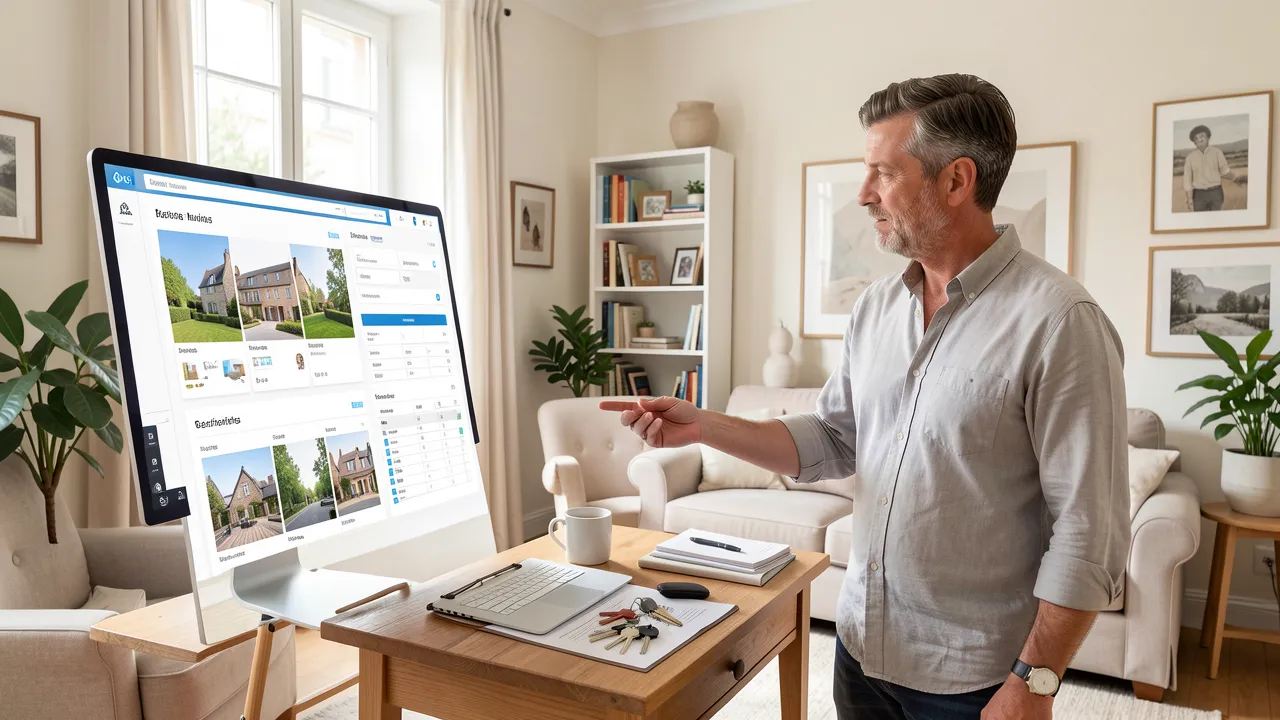
A French buy-to-let property becomes a dependable business asset only when its daily operation receives the same attention as its acquisition. Vacancy days, late payments, repair delays and weak tenant communication can erode returns faster than many owners expect. By treating leasing, maintenance and renewals as connected operating processes, you can protect net rental income while building a portfolio that performs consistently over time.
Build a lease-up process that reduces costly vacancy periods
A vacancy is not merely a gap between tenants. It creates lost rent, ongoing utility and building charges, additional advertising costs, and often a rushed decision to accept a less suitable applicant. Your lease-up process should therefore begin before the previous tenancy ends, where timing and applicable notice rules allow.
Start with a clear picture of the local tenant market. Review comparable listings by neighbourhood, property type, condition, furnishing level and transport access. An attractive asking rent is not simply the highest figure a listing platform suggests. It is the price that positions the property competitively enough to secure a reliable tenant within an acceptable marketing period.
For practical rental tips, landlords can use property-focused guidance to improve listing quality, organise viewings and prepare a rental home for incoming occupants. Strong rental operations depend on accurate descriptions, professional photographs, transparent information on charges and a responsive viewing process. Prospective tenants often compare several homes quickly, so missing details or delayed replies can lengthen the vacancy period. A well-prepared advert should make the property’s location, layout, furnishing status and availability immediately understandable.
Match the letting format to the property’s operating needs
Furnished and unfurnished lettings call for different management routines. A furnished property can appeal to mobile professionals, students or tenants on shorter professional assignments, but it also requires closer oversight of inventory, furniture condition and replacement planning. The check-in inventory needs to be detailed, dated and supported by photographs.
An unfurnished home may attract tenants seeking longer occupancy, which can reduce turnover frequency. However, presentation still matters. Fresh paint, reliable appliances where supplied, clean common areas and a functional heating system influence applicant confidence.
Before marketing either format, prepare a standard turnover checklist covering:
- Property condition: Inspect walls, flooring, windows, heating, plumbing and electrical fittings. Small repairs completed before viewings reduce objections and prevent maintenance issues from carrying into the new tenancy.
- Documentation: Assemble the lease paperwork, required property information, inventory templates and records relevant to the letting. A complete file helps the tenancy begin smoothly and reduces administrative friction.
- Viewing readiness: Ensure the property is clean, well lit and accessible. Group viewings can save time in high-demand areas, while individual appointments may suit premium or more complex homes.
- Application review: Use a consistent screening process for every applicant. Verify the information you are entitled to request, assess payment capacity and keep a written record of decisions and communications.
Speed should not replace discipline. A tenant selected in haste can create months of payment follow-up, complaints or early departure.
Set up a management dashboard for rent collection, maintenance and cash flow
Property operations improve when the owner or manager can see what is happening without searching through emails, bank statements and contractor invoices. A simple dashboard can be built in a spreadsheet, accounting platform or property-management tool. Its purpose is to turn routine activity into timely decisions.
Track monthly rent due, rent received, payment date, outstanding balances, recurring charges, maintenance costs and vacancy days. Separate predictable costs from exceptional expenditure. This allows you to distinguish between a temporary repair spike and a recurring weakness in the property’s cost base.
Cash flow visibility matters most when several events occur at once, such as a tenant departure, a boiler repair and a delayed payment. Keep a reserve for operational disruptions rather than relying on the next rent transfer to fund urgent work.
Maintenance should also be logged by category and urgency. A leaking tap may be minor today, while a moisture problem near a window can develop into a larger repair and a tenant complaint. Record the date reported, action taken, contractor assigned, cost and completion date. This history is useful for budgeting and for identifying repeated faults.
Use payment follow-up that is prompt and professional
Late-payment procedures work best when they are predictable. Send rent reminders consistently, confirm receipt when appropriate and document every exchange. A payment that is a few days late may result from an administrative issue, but repeated delays require closer monitoring.
Keep communications factual and courteous. State the amount due, the relevant period, the payment method and the deadline for response. Where a problem may be temporary, a documented discussion can help clarify next steps. For persistent arrears or disputes, seek advice suited to the lease and circumstances rather than improvising.
Plan renewals, tenant communication and compliance as long-term value drivers
Retaining a reliable tenant can be more profitable than repeatedly reletting the same property. Turnover brings cleaning, repairs, marketing, viewing time and uncertainty. Begin renewal conversations early enough to understand the tenant’s plans and schedule your next actions.
Regular communication does not mean intrusive contact. It means being reachable, responding to repair reports, giving notice before planned works and explaining what will happen next. Tenants are more likely to remain in a home where maintenance requests receive clear, timely handling.
Compliance should be managed as an ongoing calendar, not an emergency task before a new lease. Keep records of inspections, maintenance, insurance-related documents, property notices and any changing local obligations. Requirements can vary by location and tenancy type, so professional guidance may be appropriate for specific legal, regulatory or tax questions.
A strong operating routine supports both tenant satisfaction and owner control:
- Review the property quarterly: Compare actual rent, costs, vacancy and repairs against your budget. Look for trends, such as rising contractor spend or recurring tenant queries.
- Schedule preventative maintenance: Service equipment and address minor defects before they disrupt occupancy. Planned work is usually easier to budget and coordinate than an emergency callout.
- Create a renewal timeline: Contact tenants, inspect the property where appropriate and plan any works well before the tenancy changes. This protects marketing time if the tenant intends to leave.
- Keep every interaction traceable: Store emails, notices, invoices, inspection notes and photographs in one organised system. Good records support faster decisions and smoother handovers.
French rental property management rewards consistency. When lease-up, rent collection, maintenance and renewal planning operate as one system, you gain stronger control over occupancy, cash flow and the long-term performance of your investment.