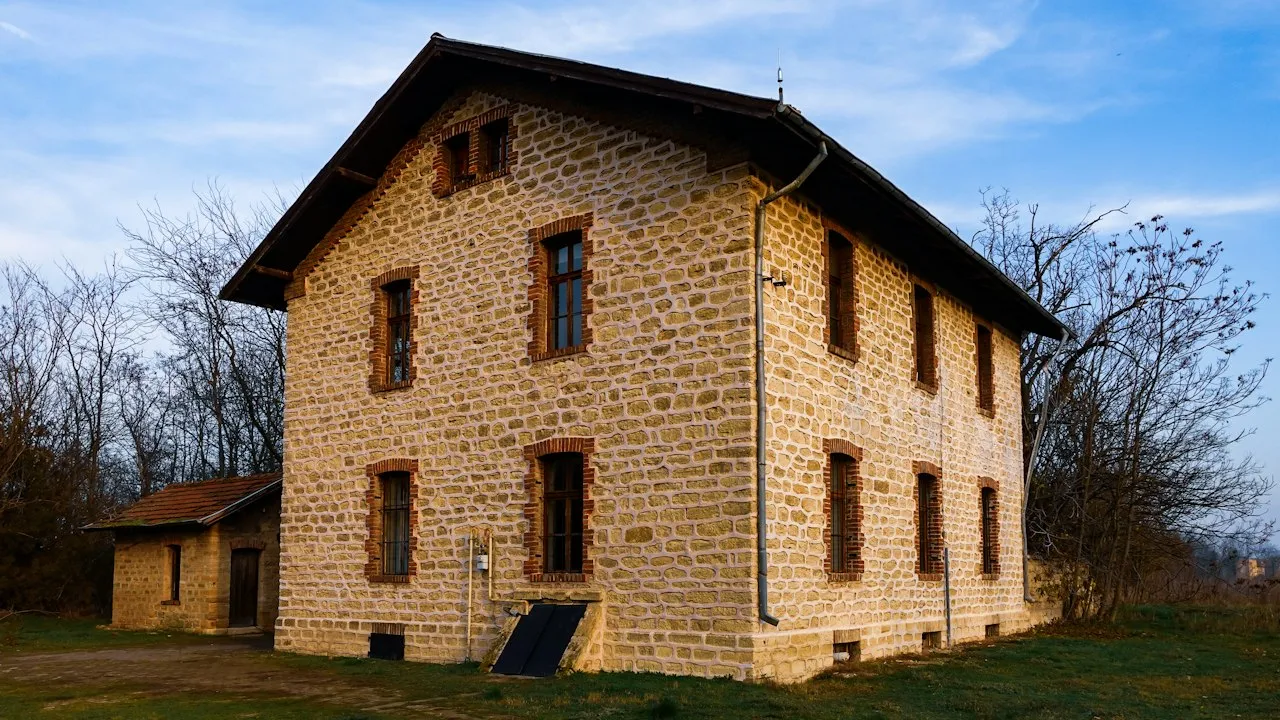








Due diligence checklist for buying property in Baie de Somme

Buying property in the Baie de Somme can support several objectives: a primary residence, a second home, or a seasonal rental asset. Yet the area’s coastal character brings specific operational risks that can affect value, financing, insurance and future works. Before committing, you should treat the purchase as a structured due-diligence exercise, combining legal documents, physical inspection and a realistic financial model.
Assessing flood, erosion and drainage risks before making an offer
The Baie de Somme includes low-lying coastal zones, estuary landscapes and villages where water risk can vary substantially from one street to the next. River flooding, tidal submersion, heavy-rain runoff and drainage limitations may all influence a property’s long-term suitability. A sea view or proximity to wetlands can enhance rental appeal, but it may also require a more cautious assessment of exposure.
For local market knowledge, agency documentation and property-specific context, consult https://www.coteetbaieimmobilier.com/. A local estate professional can help you compare villages, identify the usual buyer profile for a location and clarify whether a property is marketed as a main residence, holiday home or rental investment. Ask for information on previous sales, seasonal demand and known constraints affecting the building or plot. This local perspective should complement, rather than replace, official searches and independent advice.
Start with the État des risques et pollutions, often called ERP. The seller must provide this document, which identifies whether the property sits within a recognised risk zone. Review the relevant Plan de prévention des risques naturels, including coastal flooding or flood-risk plans where applicable. You should also ask whether any past insurance claims involved water ingress, storm damage, basement flooding or damage to access routes.
A site visit in dry weather is not enough. Look for damp marks, repaired plaster near floor level, salt deposits, cracked external render, damaged drains and signs of water pumps. Check the garden slope, the location of gullies and whether rainwater appears to flow towards the house. If the property has a cellar, ground-floor storage area or annex, assess whether these spaces can be safely used or insured.
Request documents before signing a compromis
The compromis de vente should contain appropriate conditions precedent where material uncertainty remains. If your investment decision depends on rental income, renovation works or mortgage approval, make those dependencies clear before signing. A survey by a qualified building professional can be particularly useful for older properties, homes near the coast and buildings with visible moisture concerns.
Building a realistic acquisition budget beyond the asking price
The advertised price is only the first line of your acquisition budget. For an existing residential property in France, notaire fees commonly include transfer taxes, registration charges and the notaire’s regulated remuneration. The final amount depends on the transaction and location, but buyers should obtain a tailored estimate early rather than rely on a generic percentage.
Agency fees also require attention. Confirm whether they are included in the advertised price and whether the mandate states “fees paid by the seller” or “fees paid by the buyer”. This distinction can affect the taxable base used for certain purchase charges. Request a written breakdown before making an offer.
Your financial model should also include financing costs, valuation fees, mortgage security charges and currency-transfer costs if you are purchasing from abroad. For a second home, recurrent ownership costs may be more significant than anticipated, particularly if the property remains vacant outside holiday periods.
Build your budget around the full ownership cycle
A prudent Baie de Somme purchase budget should account for:
-
Purchase and transaction costs: Include the agreed sale price, notaire fees, agency fees where payable by the buyer, bank arrangement charges and legal review. If you use a mortgage, ask the lender for the total cost of credit rather than focusing solely on the headline interest rate.
-
Renovation and resilience works: Coastal homes may need roof repairs, improved drainage, moisture treatment, ventilation upgrades or replacement windows. Obtain contractor quotations before exchanging contracts if works are central to the investment case.
-
Annual property charges: Model taxe foncière, household insurance, utilities, condominium charges for apartments and maintenance of gardens, outbuildings or private access roads. For second homes, check whether local taxation could differ from that applied to a primary residence.
-
Rental operating costs: A seasonal rental requires cleaning, linen, platform commissions, guest communication, maintenance and potentially a local property manager. Allow for quieter months, cancellations and periodic refurbishment.
-
Contingency capital: Hold a reserve for storm-related repairs, water damage, unexpected building defects and delayed planning approvals. A coastal asset should not be assessed on best-case occupancy alone.
Reviewing planning constraints, insurance and rental potential
Before planning a renovation, extension or change of use, consult the local plan d’urbanisme and speak with the relevant mairie. Coastal planning rules can restrict new construction, extensions, external alterations and development close to protected landscapes. Properties located near heritage assets, dunes, wetlands or listed sites may face additional scrutiny.
Ask whether prior works received planning permission and whether they were completed in accordance with approved plans. An unauthorised veranda, converted garage or garden structure can create liability and complicate a resale. If you intend to add bedrooms, build a terrace or install a pool, verify the project’s feasibility before treating it as part of the asset’s future value.
Insurance deserves the same level of attention. Obtain quotations before purchase, disclose known flood history and check exclusions, excess levels and terms for vacant periods. Some insurers may require protective measures, such as non-return valves, raised electrical equipment or specific maintenance standards.
For holiday rentals, check local registration requirements, condominium rules and any local restrictions on furnished tourist accommodation. Review realistic comparable listings rather than relying on peak-season nightly rates. Your forecast should use conservative occupancy assumptions and reflect the cost of professional management if you will not be based nearby.
A disciplined approach protects the Baie de Somme investment
A coastal purchase can combine lifestyle value with a sound property strategy when the risks are priced, documented and managed. Keep these priorities in view:
- Review official flood, coastal and drainage risk information before making an unconditional offer.
- Inspect the building for moisture, water ingress and drainage defects, preferably with specialist input.
- Budget for notaire fees, agency fees, insurance, maintenance and rental operations alongside the sale price.
- Confirm planning permissions, coastal restrictions and condominium rules before committing to renovation plans.
- Test rental projections against low-season demand and maintain a reserve for repairs and disruption.