








Reducing construction waste on commercial projects
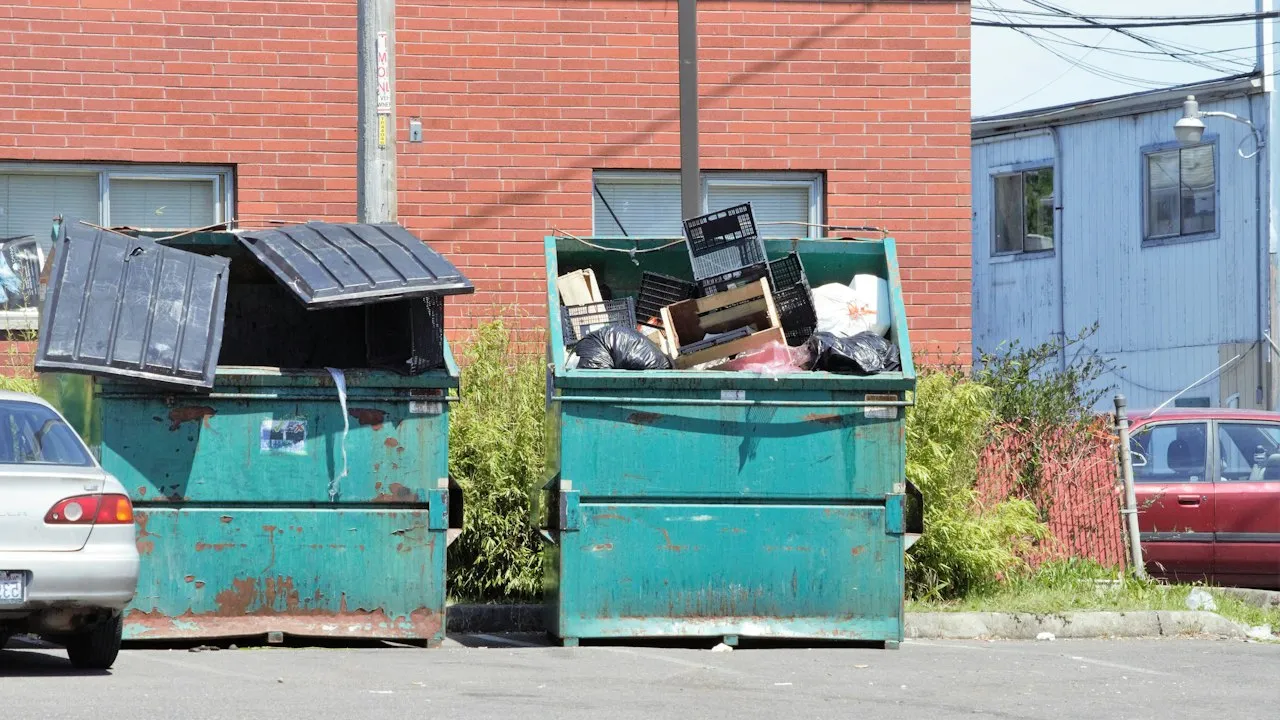
Commercial construction projects can generate significant volumes of surplus material, packaging, offcuts, and demolition debris. For businesses, this waste affects more than environmental targets. It can raise disposal costs, slow site operations, create safety risks, and reduce the profitability of a scheme. A structured approach to construction waste reduction helps you protect margins while meeting client expectations and regulatory duties.
Plan waste out before work begins
The most effective waste strategy starts before materials arrive on site. During design development and pre-construction planning, your team can identify where standard dimensions, modular layouts, and accurate quantities will reduce unnecessary cuts and over-ordering.
A detailed bill of quantities should account for realistic installation requirements without adding excessive contingency. Digital estimating tools and building information modelling can help contractors coordinate measurements, detect clashes, and order materials with greater precision.
You can also set practical waste targets for each trade. For example, plasterboard, timber, insulation, and concrete each require separate measurement because their waste streams, reuse opportunities, and disposal costs differ. Recording a baseline from previous projects gives your business a useful benchmark for future tenders.
Specify materials with their full lifecycle in mind
Material selection affects waste volumes long after the procurement stage. Choose products that are durable, reusable, recyclable, and supplied in dimensions suited to the project. Prefabricated components, such as bathroom pods, structural frames, and service modules, can reduce on-site cutting and packaging waste.
Ask suppliers whether they operate packaging take-back schemes or accept unused products for credit. These arrangements can be especially useful for pallets, cable drums, bulk containers, and unopened materials that remain after completion.
Improve procurement and delivery controls
Poor purchasing practices often lead to materials sitting unused, deteriorating in storage, or being discarded because they no longer match the project specification. Better coordination between the commercial team, site management, and suppliers can prevent these losses.
Order materials in planned stages rather than buying every requirement at the outset. This reduces the chance of damage, theft, weather exposure, and changes caused by revised client instructions. Just-in-time delivery can work well where site access, storage capacity, and supplier reliability have been assessed carefully.
For commercial developments, your procurement choices also influence wider financial performance. The methods used to monitor expenditure and operating returns in How to assess commercial property cash flow can support more disciplined decisions about material orders, storage costs, and waste allowances.
Protect materials once they reach the site
Waste prevention depends on proper storage. Allocate dry, secure, clearly labelled areas for vulnerable materials, including timber, plasterboard, fittings, insulation, and electrical equipment. Keep stock off the ground where possible and use covers that prevent moisture damage without restricting ventilation.
A simple inventory process can make a substantial difference. Site staff should know what has been delivered, where it is stored, what has been issued, and what remains. Regular checks help identify surplus stock early enough for it to be reassigned, returned, or used elsewhere.
Separate waste streams for reuse and recycling
Mixed skips are convenient, but they usually make recovery more difficult and more expensive. Separate collection points enable your workforce to sort materials at source, improving recycling rates and reducing contamination.
Clearly labelled bins should be positioned close to work areas and sized according to the expected volume of each material. Typical streams include timber, metals, cardboard, plastics, plasterboard, inert waste, and general residual waste. Hazardous materials require dedicated handling procedures and licensed disposal routes.
Train subcontractors during site induction and reinforce expectations through toolbox talks. Staff are more likely to follow the system when bins are easy to access, signs are unambiguous, and supervisors respond quickly to problems.
Create routes for surplus materials
Not every unused item is waste. Excess tiles, sanitaryware, doors, fixtures, timber, and office furniture may have resale, donation, or reuse value. Establish a procedure for checking whether materials can be transferred to another project before they are placed in a skip.
This approach can be relevant when fitting out premium hospitality or waterfront facilities. Operators planning distinctive guest experiences may find useful context in Luxury Yacht Rentals in Liverpool - Discover Exclusive Charters, particularly when considering durable finishes and quality-led asset choices for commercial spaces.
Measure results and hold teams accountable
A waste management plan only produces value when its outcomes are monitored. Track the number and type of skips removed, disposal charges, recycling rates, material purchase volumes, and instances of returned or reused stock. Compare those figures with the original targets at regular project meetings.
Assign clear responsibilities. The project manager may oversee overall compliance, while package managers monitor trade-specific waste and the site logistics team maintains collection areas. Include waste requirements in subcontract agreements so that expectations are clear from the start.
Reporting should be straightforward enough to support action. If plasterboard waste rises sharply, investigate whether the cause is inaccurate setting out, changes to room layouts, poor storage, or a lack of suitable offcut reuse. Addressing the source is more valuable than simply increasing skip capacity.
Better waste practices strengthen commercial performance
Reducing waste is a practical way to control costs, improve site safety, and lower the environmental impact of commercial construction. It requires planning, reliable procurement, secure storage, disciplined segregation, and regular measurement.
Key actions for your next project include:
- Set material-specific waste targets during pre-construction planning.
- Order accurately and phase deliveries to limit surplus stock.
- Store vulnerable products securely to prevent damage and deterioration.
- Separate waste streams clearly for recycling and recovery.
- Return, resell, donate, or transfer usable surplus materials.
- Review waste data regularly and act on recurring causes.
With consistent controls, waste becomes a manageable cost category rather than an unavoidable consequence of building work.